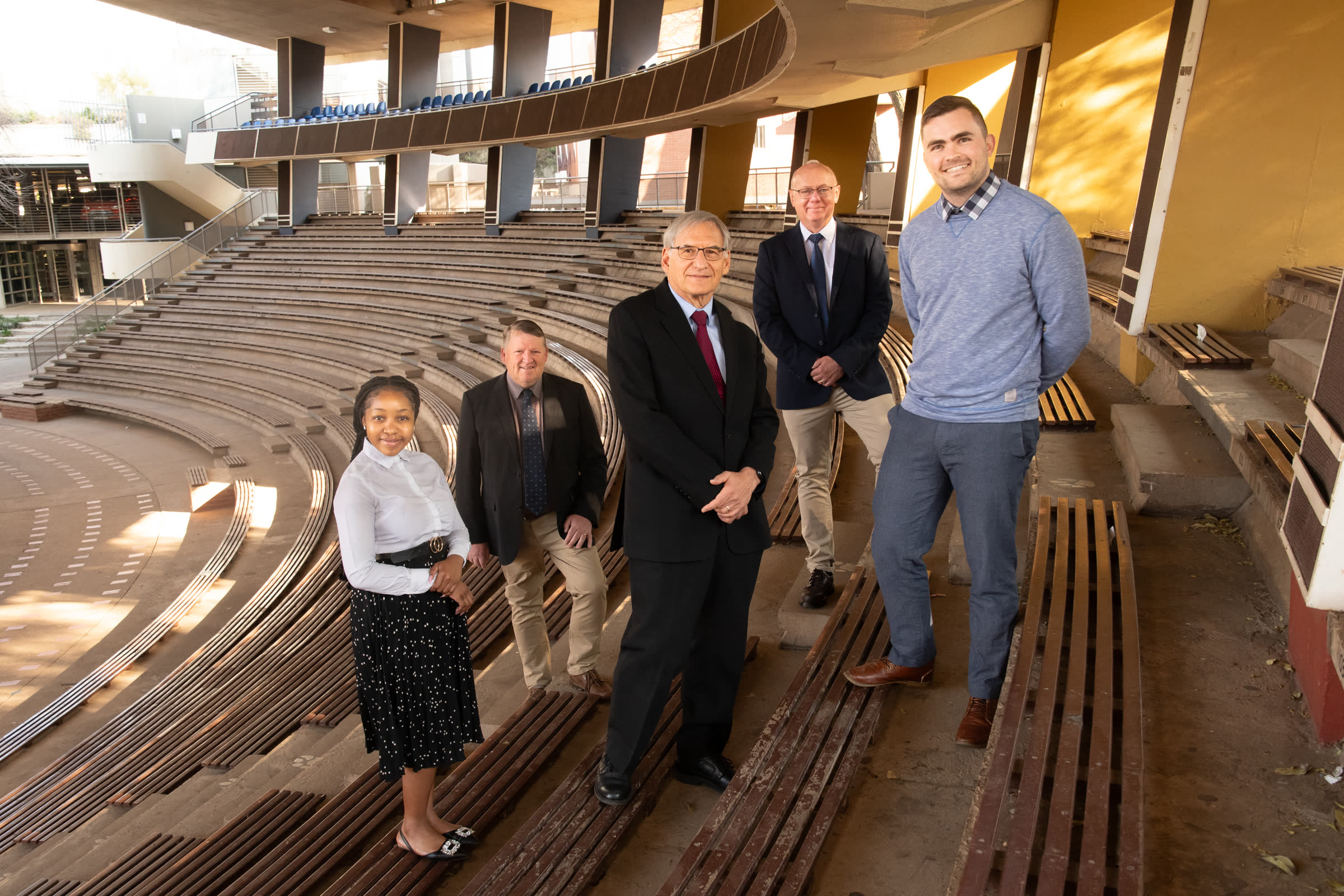
RAMMS began research activity in 2022 after a CSIR–University of Pretoria agreement established the programme in late 2021. Its purpose is to build knowledge for mechanised mining as a system—not as a collection of disconnected machines.
Thrust 1: Cutting and Drilling Hard Rock
In narrow-reef hard-rock mines, equipment performance begins at the interface between a tool and highly variable rock. Cutting, drilling, brittleness and stability studies establish the physical evidence needed for equipment design and selection.
Thrust 2: Productivity and Maintenance Optimisation of Mining Equipment
Productivity emerges from interacting cycles, delays, maintenance decisions and component reliability. Simulation and physical-asset-management research make those interactions visible and test improvement options.
Thrust 3: Utilisation, Performance and Condition Monitoring of Mechanised Mining Equipment
Digital twins, hybrid models and machine vision combine physical understanding with operational data. The defining objective is an actionable intervention: a safer speed, a maintenance decision, a better route or a more useful performance indicator.
These thrusts reinforce one another. Better rock models improve machine models; better equipment models strengthen system simulation; and system questions determine which measurements and tools are worth developing. Digital twins provide a recurring connection across the programme by linking physical entities, measurements and models to an actionable decision at the rock face, equipment or mine-system level.